 Login »
Early pioneering work by the British Post Office's research department led to solid-state electronic switching, culminating in a 1962 field trial — the world's first handling of live public calls using such an exchange, described in more detail in the Electronic Switching section. The components of the day, though, weren't suited to handling analogue signals, and solid-state techniques would have to wait a few more years for digital exchanges.
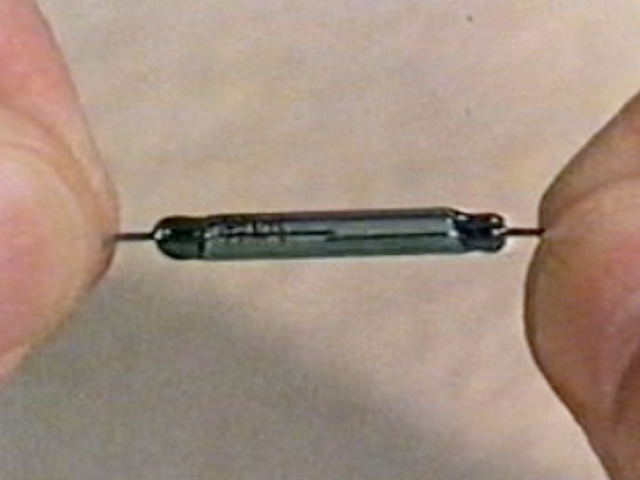
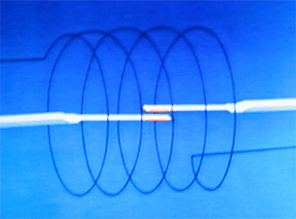
In the meantime, attention turned to using electronic common-control principles to build what was essentially a more compact crossbar exchange, but using reed-relay switches to form the crosspoints rather than large, cumbersome crossbar electromechanical switches. A reed switch consists of two metal contacts in a sealed glass tube; placing the tube inside a loop of wire acting as an electromagnet gives an easily controllable, compact, and reliable switch.